
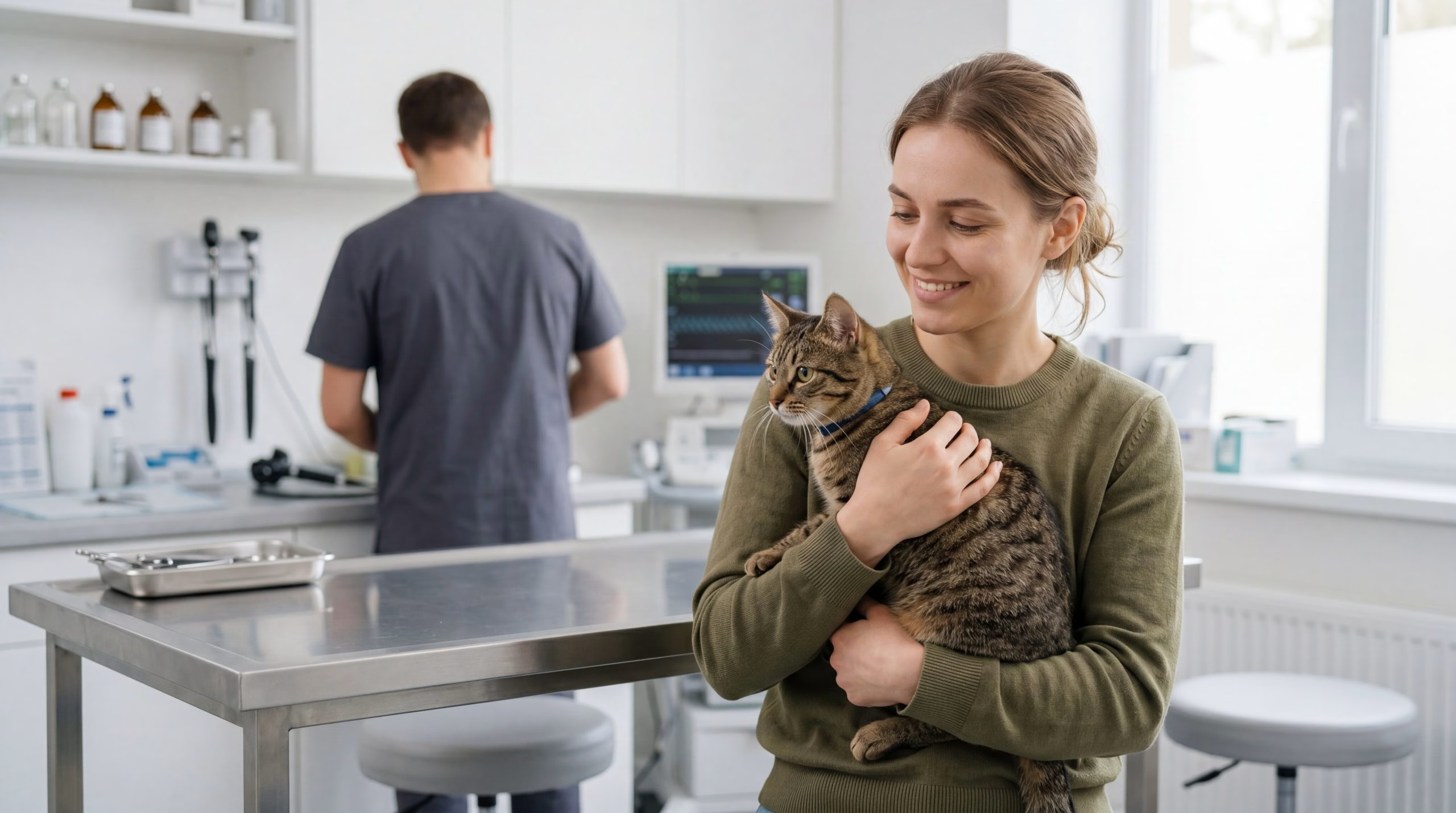
Anxiety & Behavioral Issues in Pets
Anxiety and behavioral changes can significantly affect your pet’s quality of life and your relationship with them. Whether it’s separation anxiety, noise phobias, or sudden behavior changes, our veterinary team is here to help.
Book OnlineBehavioral issues can stem from a variety of causes, including past experiences, lack of socialization, environmental changes, or an underlying medical condition. Sudden changes in behavior are always worth mentioning to your veterinarian, since they can sometimes be an early sign of pain or illness.
Common Signs of Anxiety or Behavioral Issues
- Excessive barking, meowing, or vocalization
- Destructive behavior, especially when left alone
- Hiding or avoidance behavior
- Aggression or unusual irritability
- Changes in appetite, sleep, or litter box habits
If your pet is showing new or worsening behavioral signs, a wellness exam is a good first step to rule out a medical cause before pursuing behavioral treatment alone.
Managing Anxiety and Behavioral Concerns
Treatment plans are tailored to your pet’s specific triggers and may include environmental changes, training techniques, and in some cases, medication to help manage anxiety. Our veterinarian will work with you to identify what’s driving the behavior and develop a realistic plan for improvement. If pain is suspected as a contributing factor, we may also recommend evaluating for conditions like arthritis, which can sometimes present as irritability or reduced activity.
If you have any questions about your pet’s behavior, please contact us today at (602) 269-8969.
Anxiety & Behavioral Issues: Frequently Asked Questions
What causes anxiety in pets?
Anxiety can stem from past experiences, lack of socialization, environmental changes, or an underlying medical condition.
Can a medical condition cause behavior changes?
Yes, sudden behavior changes can sometimes signal pain or illness, which is why a veterinary exam is an important first step.
What are common signs of anxiety in pets?
Signs include excessive vocalization, destructive behavior when left alone, hiding, and changes in appetite or sleep.
Is medication ever recommended for pet anxiety?
In some cases, yes. Our veterinarian may recommend medication alongside training and environmental changes for pets with significant anxiety.
Can training alone resolve behavioral issues?
For many pets, training and environmental adjustments are effective, though some cases benefit from a combined approach with veterinary support.
How long does it take to see improvement in a pet’s behavior?
Timelines vary depending on the underlying cause and treatment plan, but consistency is key to seeing lasting improvement.
How do I schedule a behavioral consultation for my pet?
Call Catalina Animal Hospital, LLC at (602) 269-8969 to discuss your pet’s behavior with our veterinary team.
Support Your Pet’s Wellbeing
Schedule a behavioral consultation today — call Catalina Animal Hospital, LLC at (602) 269-8969.
Book Online