
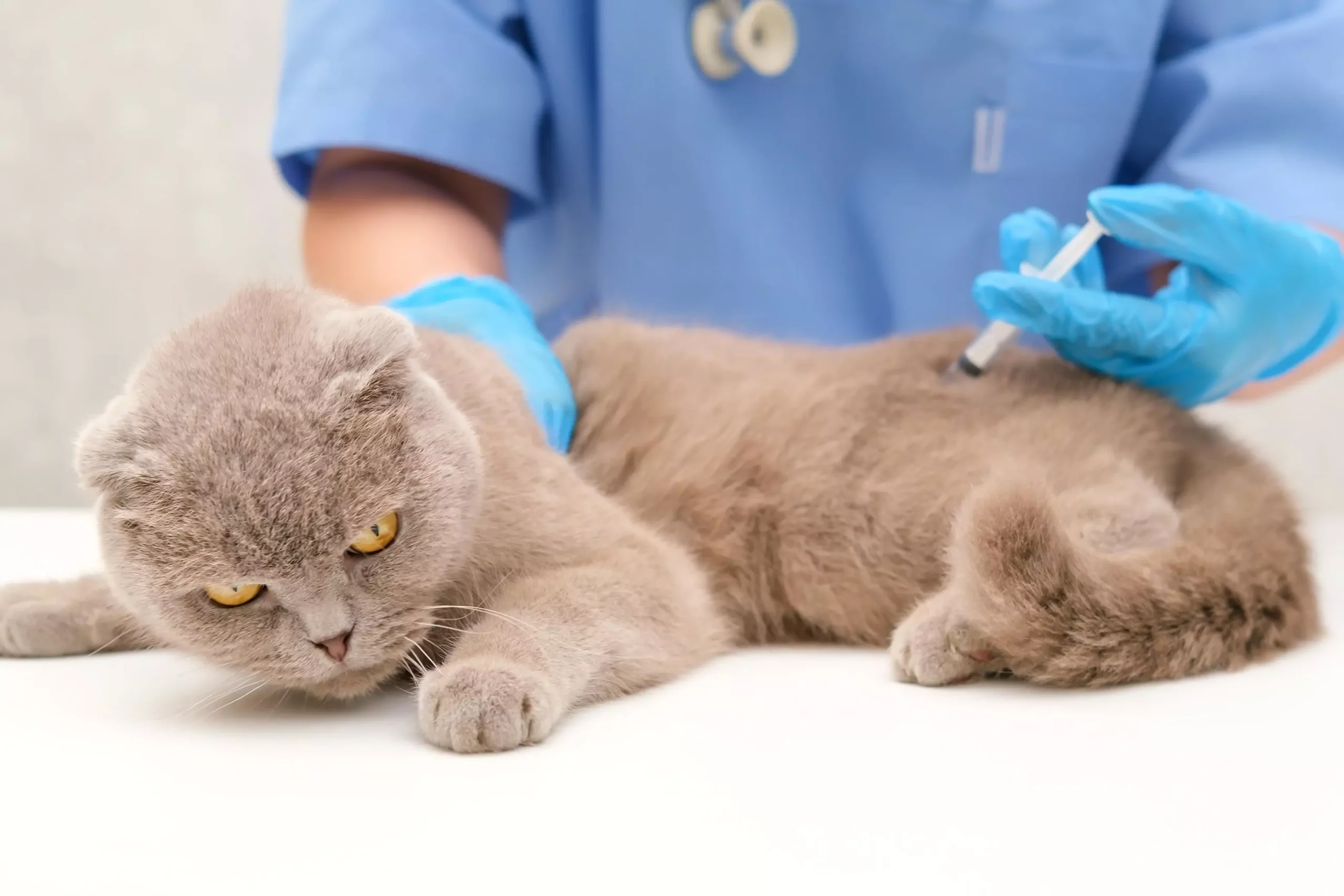
Diabetes in Dogs and Cats
Diabetes is a chronic condition that affects how your pet’s body regulates blood sugar. With proper diagnosis and management, many diabetic pets go on to live long, healthy lives.
Book OnlineDiabetes occurs when a pet’s body doesn’t produce enough insulin or doesn’t use it effectively, leading to elevated blood sugar levels. It’s more common in overweight pets and older animals, though it can affect pets of any age.
Signs of Diabetes in Pets
- Increased thirst and urination
- Increased appetite paired with weight loss
- Lethargy or decreased energy
- Cloudy eyes (more common in dogs)
- Sweet-smelling or unusual-smelling urine
If you notice any of these signs, it’s important to schedule an exam promptly, as untreated diabetes can lead to more serious complications.
Diagnosing and Managing Diabetes
Diabetes is diagnosed through blood and urine testing, which we can often perform right in our office. Treatment typically involves insulin therapy, dietary changes, and consistent monitoring. Maintaining a healthy weight plays a key role in managing diabetes, so we often pair treatment with a weight management plan when appropriate. Regular wellness exams help us monitor how well your pet’s diabetes is being controlled over time.
If you have any questions about diabetes in your pet, please contact us today at (602) 269-8969.
Diabetes: Frequently Asked Questions
What causes diabetes in dogs and cats?
Diabetes occurs when a pet’s body doesn’t produce enough insulin or can’t use it effectively, leading to elevated blood sugar.
What are the signs of diabetes in pets?
Common signs include increased thirst and urination, increased appetite with weight loss, and lethargy.
How is diabetes diagnosed in pets?
Diabetes is diagnosed through blood and urine testing, which we can typically perform in our in-house laboratory.
Can diabetes be managed long-term?
Yes, with insulin therapy, dietary changes, and consistent monitoring, many diabetic pets live long, comfortable lives.
Is diabetes more common in overweight pets?
Yes, excess weight is a risk factor for diabetes, so maintaining a healthy weight can help lower your pet’s risk.
Will my pet need insulin injections?
Many diabetic pets require insulin therapy, and our veterinary team will teach you how to safely administer it at home.
How do I schedule a diabetes screening for my pet?
Call Catalina Animal Hospital, LLC at (602) 269-8969 if you’ve noticed symptoms like increased thirst, urination, or appetite changes.
Get Answers About Your Pet’s Health
Schedule a diabetes screening today — call Catalina Animal Hospital, LLC at (602) 269-8969.
Book Online